How Refrigerated Palletized Storage Can Revolutionize Your Supply Chain
In today's fast-paced business environment, maintaining an efficient and effective supply chain is essential for success. One innovative solution that is rapidly transforming the logistics landscape is refrigerated palletized storage. This blog explores how this technology can revolutionize your supply chain, highlighting its benefits and potential impact on your business operations.
Understanding Refrigerated Palletized Storage
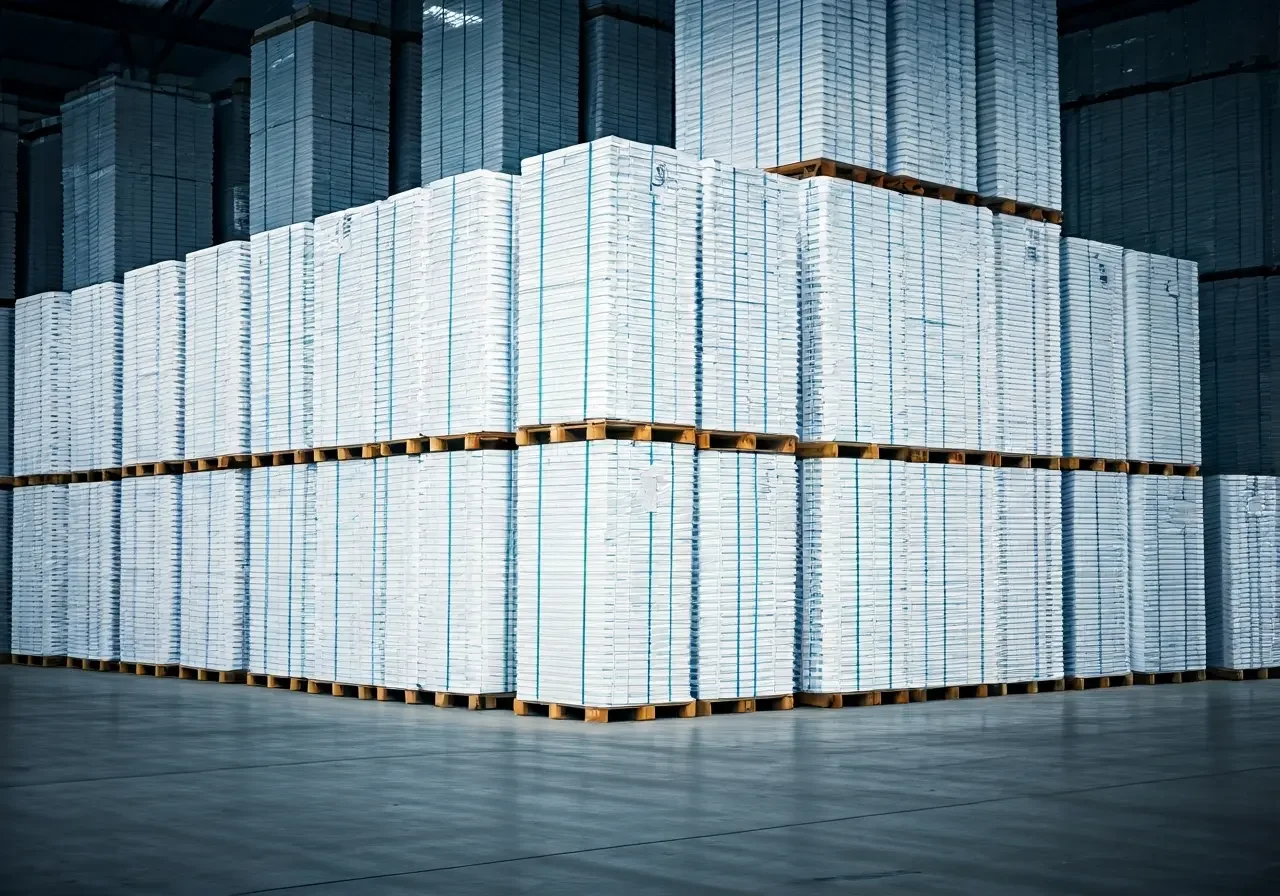
Refrigerated palletized storage involves the use of temperature-controlled facilities to store goods on pallets. This allows for better organization and easier transportation of temperature-sensitive products, ensuring they remain fresh and safe for consumption or use.
Imagine a storage system that adapts not just to the physical space but to the demanding needs of temperature-sensitive goods across various industries. Refrigerated palletized storage achieves this by meticulously maintaining the delicate balance required to keep goods fresh. This blend of controlled environment and systematic storage ensures that perishables like dairy, fruits, and even pharmaceutical items are safeguarded against spoilage. With an appropriate setup, businesses can maintain optimal temperatures, crucial for preserving product quality and extending shelf life while avoiding regulatory pitfalls. This system becomes invaluable in sectors where temperature consistency defines success or failure.
The Benefits of Refrigerated Palletized Storage
Implementing refrigerated palletized storage can significantly enhance your supply chain efficiency. Benefits include reduced spoilage and waste, improved inventory management, and cost savings through more efficient use of space and energy.
Such systems allow businesses to navigate the often erratic tides of customer demand with agility. The precision of refrigerated environments ensures inventory no longer lingers past its prime, drastically reducing waste. Not only does this translate into substantial cost savings but promotes sustainability—an increasingly crucial component in today's business ethos. Inventory management also experiences a transformative boost, with clearer visibility into stock levels and conditions. This transparency allows businesses to recalibrate and respond swiftly to market demands while conserving resources effectively.
Improving Product Quality and Safety
One of the primary advantages of refrigerated palletized storage is the ability to maintain product quality and safety. By keeping products at optimal temperatures, businesses can prevent spoilage, extend shelf life, and ensure compliance with health regulations.
An additional benefit stems from enhanced regulatory compliance and peace of mind regarding food safety standards. By maintaining conditions that inhibit bacterial growth, businesses ensure their goods not only remain fresh but safe for consumption. This comprehensive approach to quality control can be a brand differentiator, building trust with consumers and stakeholders alike. Moreover, consistent temperature regulation helps preserve the texture, nutritional value, and flavor of foods, maintaining the quality that customers expect and demand.
Enhancing Supply Chain Flexibility
Refrigerated palletized storage can add flexibility to your supply chain by accommodating varying inventory levels and rapid demand changes. This adaptability is crucial for businesses looking to stay competitive in a dynamic market.
In today’s market, agility is more than a benefit—it’s a necessity. The capability of refrigerated palletized storage systems to scale up or down in sync with business demands facilitates seamless growth or contraction of operations. For example, during peak harvest times, a food distributor can effortlessly increase its storage capacity, ensuring that all produce is adequately preserved. Conversely, during slower periods, the system’s flexibility ensures resources aren’t tied up unnecessarily, optimizing both space and energy use. This elasticity rewards companies with the efficiency needed to tackle the unpredictable landscapes of modern supply chains.
Implementing Refrigerated Palletized Storage in Your Business
Transitioning to refrigerated palletized storage requires careful planning and investment in the right infrastructure and technology. Businesses need to assess their specific needs, conduct a cost-benefit analysis, and partner with reliable logistics providers to successfully integrate this system into their operations.
The journey to implementing refrigerated palletized storage begins with a detailed assessment of current logistical and storage operations. Evaluating the potential impact and return on investment is crucial for informed decision-making. Critical steps include engaging with technology developers who provide innovative solutions tailored to specific business needs. As businesses under this umbrella weigh their options, they often find the transformation offers not just immediate efficiencies but substantial long-term savings. Moreover, selecting partners adept in managing the intricate logistics of refrigerated goods gives businesses the confidence to maintain momentum as they transition to more sophisticated systems.
Strategically planning each phase also helps minimize potential disruptions to operations. Transitioning step-by-step allows companies to tweak their approach as real-time results come in. Bringing in experts to oversee the installation and management of these new systems often proves invaluable, as their insights and experience can guide businesses through challenges, optimizing systems well ahead of expected timelines. Ultimately, success lies in the collaboration across all facets of the supply chain, from logistic support to storage enhancements.
Unlocking Supply Chain Potential with Refrigerated Palletized Storage
Refrigerated palletized storage offers a comprehensive solution to enhance your supply chain efficiency, ensuring product quality and reducing costs. Whether you're a small business or a large corporation, adopting this technology can lead to significant improvements in the way your supply chain operates.