
10 Tips for Mastering Container Unloading in Los Angeles
Container unloading in a bustling port like Los Angeles can be daunting. With loads of experience and a few handy tricks, though, it can become a smooth and efficient process. Whether you're a seasoned pro or a newbie on the docks, these tips will guide you through the intricacies of container unloading with ease and confidence.
1. Understanding the Port Layout
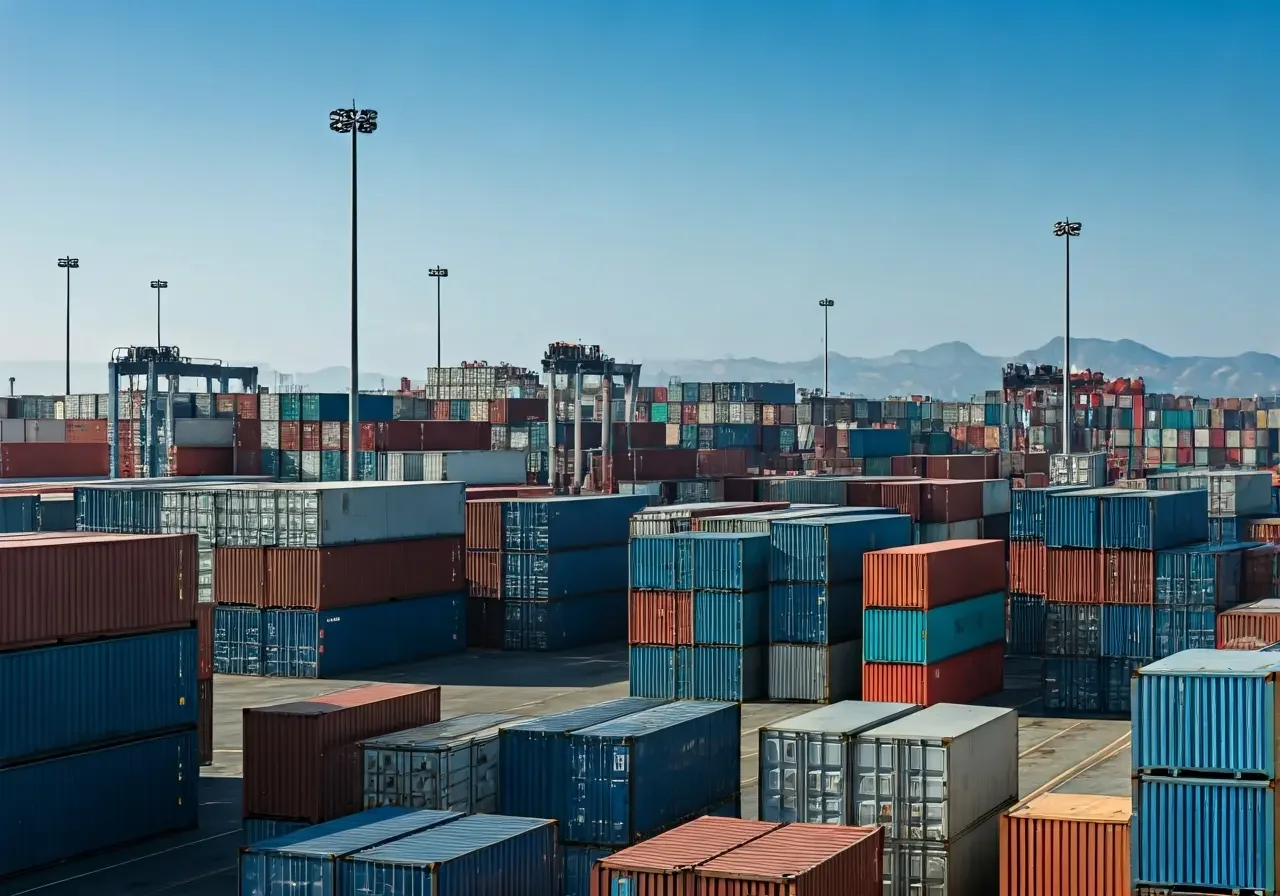
Familiarizing yourself with the port's layout is crucial for efficient container unloading. Know the key areas and the flow of traffic to streamline your operations. Los Angeles harbor is one of the busiest ports in the world, sprawling across vast spaces with complex logistical networks. A tour or detailed maps can help you identify shortcuts, determine storage areas, and understand the overall strategy of dock management. This awareness not only eases the initial stages of container unloading but also ensures the subsequent steps proceed without bottlenecks or confusion.
Mapping the port effectively allows for a smoother transition between unloading tasks. Each dock functions uniquely, with dedicated lanes for different cargo types and specialized equipment at different berths. Familiarity with the layout is like holding a blueprint of an extremely fast-paced operation, which ensures every piece of the puzzle falls into the right place. This, ultimately, paves the way for a more organized and speedy unloading process that culminates in the harmonious management of goods.
2. Choosing the Right Equipment
Ensure that you have access to the appropriate equipment for the types and sizes of containers you're handling. This can save time and prevent accidents. In the dynamic and demanding setting of the Los Angeles port, having the right machinery like forklifts, cranes, and straddle carriers becomes foundational. These are not just tools but enablers of efficiency and productivity. Opting for well-maintained, updated machinery reduces downtime caused by unforeseen technical errors and guarantees safety for operators and cargo alike.
The adage 'the right tool for the job' holds particularly true here. Advanced technology in equipment can track load weights, have built-in stability control, and employ sustainable energy options that are both cost-effective and environmentally friendly. As technology advances rapidly, keeping equipment up-to-date can be a game-changer in container unloading, offering a seamless and safer work environment.
3. Safety First on the Docks
Always prioritize safety by adhering to regulations and guidelines. Proper safety gear and awareness can prevent injuries and damage. The need for compliance with OSHA safety standards cannot be overstated. Safety measures on the docks integrate the use of personal protective equipment (PPE) such as helmets, gloves, and high-visibility jackets. It's critical for dock workers to be well-trained in emergency procedures and first-aid. Mandatory refreshers and real-time safety drills inculcate a culture of vigilance, reducing the probability of mishaps.
Besides PPE, regular safety inspections of equipment ensure that procedures adhere to the highest standards. Dock work is inherently risky, and safety practices are non-negotiable pillars of operations. By fostering a safety-first mindset, companies not only comply with legal requirements but also elevate morale and productivity among their personnel. Safety becomes a collaborative team effort across the port, creating trust and cohesion among dock workers.
4. Planning and Coordination
Effective unloading requires detailed planning and coordination with various teams. Communication is key to ensuring everyone is on the same page. Modern container unloading involves complex interactions between different entities. Port authorities, logistics managers, shipping lines, and customs officials must seamlessly sync their activities to avoid congestion and delays. A centralized communications system is invaluable, ensuring that information such as container type, priority shipments, and unloading schedules is accessible to everyone involved.
A successful coordination strategy also involves contingency plans for unexpected events such as equipment malfunctions, labor shortages, or natural disruptions. By anticipating potential derailments, dock managers can swiftly redirect resources, maintaining the flow of operations. Therefore, a well-coordinated plan acts as an anchor for unloading operations, transforming a potentially chaotic environment into a structured and efficient one.
5. Managing Time Effectively
Time is of the essence in container unloading. Develop strategies to optimize time use, reducing delays and increasing throughput. Time management begins with scheduling arrival and unloading times meticulously to avoid rush-hour peaks and ensuring that resources such as labor and equipment are allocated accurately.
Implementing a time management system enhances the predictability of operations, allowing for timed cycles and planned breaks. Regular monitoring and evaluation of unloading times for different container types can highlight areas for improvement, further enhancing efficiency. Time, after all, is a precious commodity in the fast-paced environment of port logistics, and mastering its management can lead to outstanding results in container handling outcomes.
6. Handling Customs and Documentation
Stay on top of customs regulations and ensure all necessary documentation is prepared to prevent any interruptions in your operations. The bureaucratic intricacies of customs can sometimes seem daunting, but they are an integral part of container unloading activities in a major gateway like Los Angeles. Proper preparation of documentation such as commercial invoices, packing lists, and bill of lading allows for a smoother transition through customs checks.
Navigating customs documentation also involves being up-to-date with changes in regulations and engaging in positive relationships with customs officials. Clear understanding and electronic processing reduce hold-ups and unnecessary costs. The efficiency in customs clearance underpins the entire unloading process, maintaining the pace of operations and ensuring that goods reach their final destinations promptly and lawfully.
7. Dealing with Unpredictable Weather
Weather can be unpredictable in Los Angeles. Be prepared to adapt your unloading processes to suit different weather conditions. Ports are exposed environments where rain, wind, and heat can alter operational strategies dramatically. Having a weather-adaptive plan involves establishing protective measures such as covered loading zones, swift securing mechanisms for cargo, and special handling procedures during adverse weather. This allows for continuous operations despite weather uncertainties.
8. Training and Skill Development
Invest in training for yourself and your team. Continued skill development enhances efficiency and safety on the docks. Regular workshops and certifications ensure that dock workers are well-versed in both basic and advanced unloading techniques. Encouraging a culture of continuous learning not only boosts individual capabilities but also drives collective growth, leading to better coordinated and safer operations.
9. Utilizing Technology
Leverage technology to streamline operations and manage container unloading more effectively. From software to the latest machinery, tech can be a huge asset. Automation technology like RFIDs for container tracking and automated cranes nearly doubles efficiency. Implementing cutting-edge software solutions for inventory management provides real-time updates, enhancing accuracy and reducing operational errors significantly, enabling a next-level efficiency in port management.
10. Maintaining a Sustainable Approach
Adopt sustainable practices in your unloading process. This not only benefits the environment but can also lead to efficiency improvements. By employing eco-friendly strategies such as electric-powered equipment and recycling waste materials, ports can reduce their carbon footprint considerably. Sustainability initiatives foster long-term viability and often provide financial advantages through reduced energy consumption and improved public relations.