
What Is A Floor Loaded Container And Why Is It Important In Logistics?
Understanding the intricacies of logistics can be challenging, but certain concepts, like floor loaded containers, play a significant role in the efficient transportation of goods. This FAQ will guide you through the essentials of what a floor loaded container is, its advantages, and its importance in the logistics industry.
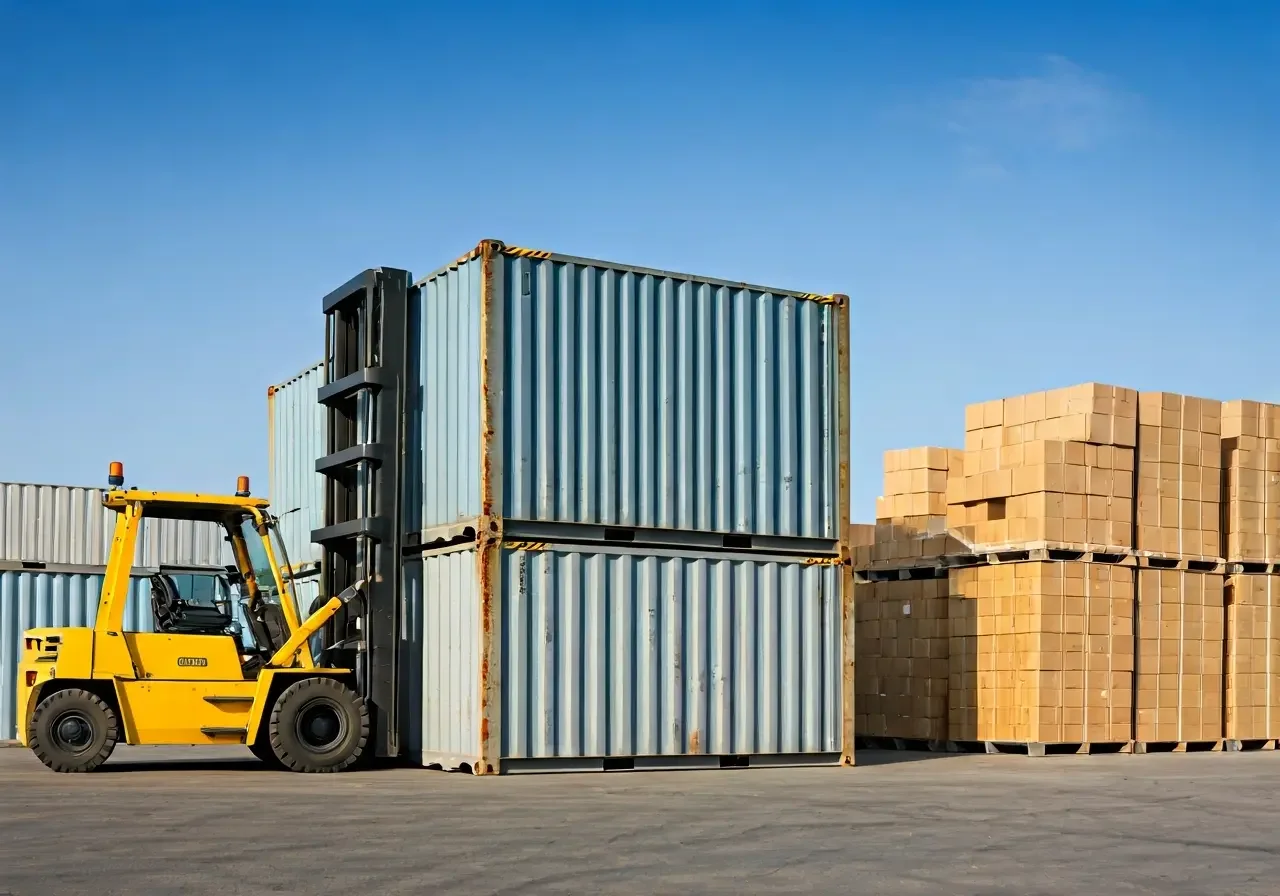
What is a Floor Loaded Container?
A floor loaded container refers to a shipping container where goods are loaded directly onto the floor without any pallets. This method maximizes the use of space and allows for more goods to be transported. It is particularly useful when the shipment comprises non-fragile items that can be easily stacked, making transportation both efficient and cost-effective.
Unlike traditional pallet-loaded shipping, floor-loaded containers utilize the entire volume of the container. This packing method often involves manual labor for loading and unloading but significantly increases the quantity of goods that can be shipped in a single load.
How Does Floor Loading Work?
Floor loading involves placing items directly on the container floor. This technique requires careful stacking to ensure the stability of the goods and to maximize occupancy, avoiding damage during transport. The key is to arrange the products methodically so they stay secure for the journey.
Strategic planning in arranging the items can improve load security. By interlocking the boxes or goods, transport risks are minimized. In this method, understanding the shape, size, and weight of each item plays a crucial role in ensuring a successful and effective floor loading process.
Benefits of Floor Loaded Containers
The primary benefit is space optimization leading to cost savings. By eliminating pallets, more items can be shipped in a single container, making it a cost-effective option. This reduction in the need for pallets also decreases the environmental impact of shipping.
In addition to maximizing space, floor loading can be highly adaptable. This versatility means that different types of goods, especially those of irregular sizes, can be accommodated without the need for specialized transport containers. By tailoring the setup to each shipment, companies can enhance effectiveness and efficiency.
By using floor loaded containers, businesses can reduce the unit cost of goods transported, provided the correct handling protocols are followed. There’s a significant advantage in terms of reducing shipment frequency, which translates into lower overhead transportation costs.
Challenges of Using Floor Loaded Containers
Floor loading can increase handling time and require manual labor for loading and unloading, which can lead to higher labor costs and potential for goods damage if not handled properly. It necessitates a well-trained workforce to manage the packing process efficiently.
Another challenge is the risk of product damage, especially for fragile items, when the container is not loaded strategically. Loading plans need to carefully consider the weight distribution and the potential movement within the container during transit to mitigate such risks.
Handling and distribution can be more complex compared to pallet-based systems. Without pallets, forklifts are less able to facilitate the movements of goods, which might require innovative solutions or specialized equipment to aid in loading and unloading processes.
When to Consider Using a Floor Loaded Container
They are most suitable for non-fragile items or when transporting large quantities of goods that can be efficiently stacked, such as boxes or small items needing bulk transport. Industries dealing with products of consistent sizes and shapes often find this method advantageous.
For companies dealing in fast-moving consumer goods or items with a high turnover, the efficiency and cost-effectiveness of floor loaded containers can be particularly advantageous. Additionally, when there is a need to reduce the environmental footprint, such methods that minimize additional materials like pallets should be considered.
It is also beneficial for shipments that have predictable shipping routes and handling processes. If your logistics plan demands flexibility and adaptability in loading configurations, a floor loaded container might be the answer.
Wrapping Up: The Significance of Floor Loaded Containers
Floor loaded containers offer a range of benefits that make them an essential component in logistics. By maximizing space and efficiency, they contribute significantly to cost savings and logistics management. Understanding their benefits and challenges can greatly enhance logistical strategies. For those looking to optimize their shipping processes, it’s beneficial to explore how our solutions can assist in your logistics strategy. Check out our comprehensive services to learn more.