
How Does Drayage from the Ports of Long Beach and Los Angeles Work?
Drayage is a critical component of the logistics and shipping industry, especially in bustling ports like Long Beach and Los Angeles. Despite its significance, many people are still unfamiliar with drayage and how it functions. In this FAQ, we'll break down the basics of drayage, how it works in these major ports, and why it plays such a vital role in the supply chain.
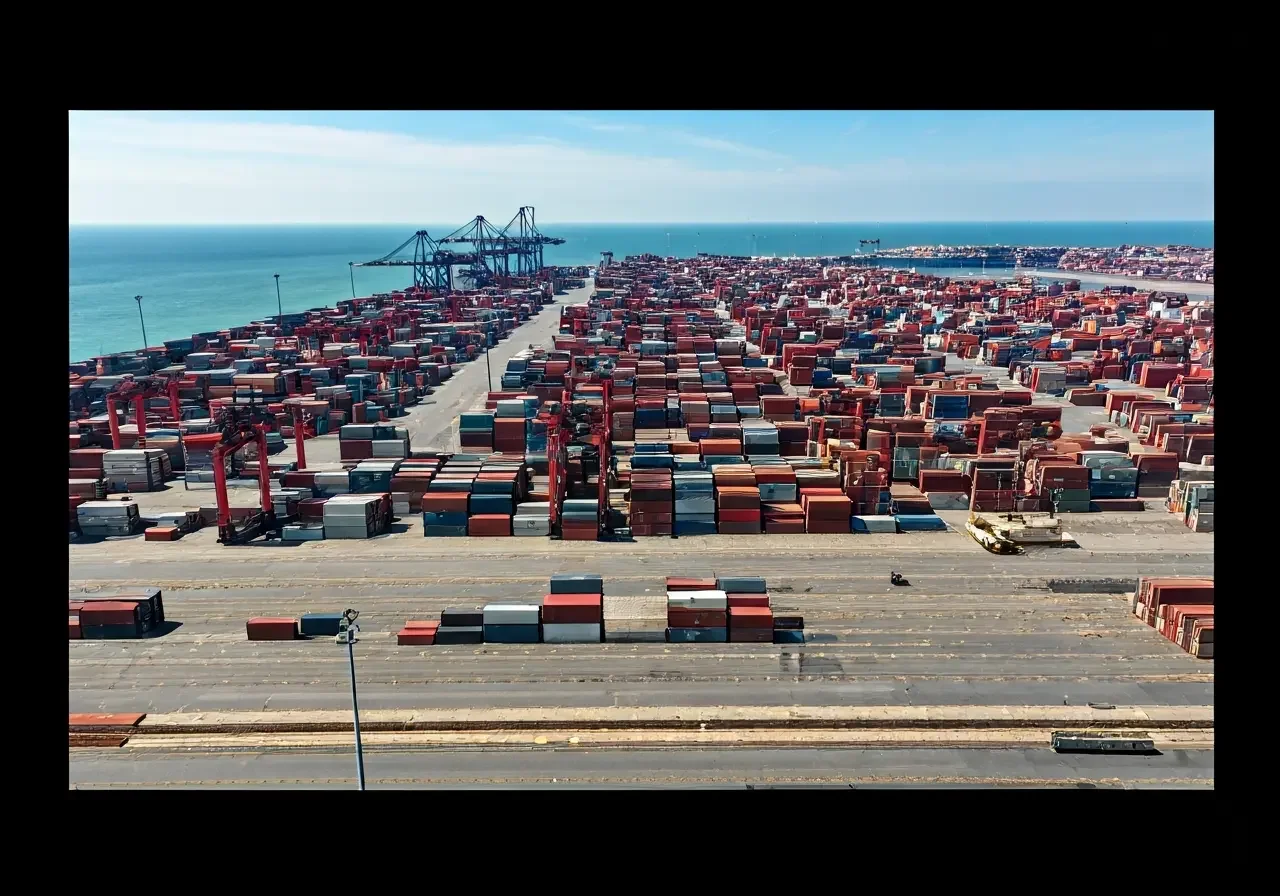
What is Drayage?
Drayage refers to the transport of goods over a short distance, typically as part of a longer logistics journey. It's a key step in moving cargo from ships to warehouses or distribution centers.
The term 'drayage' might sound unfamiliar to those outside the logistics industry, yet it's an age-old concept essential for modern trade. Essentially, drayage bridges the gap between maritime and land logistics, taking charge of cargo after it arrives at port and prepares it for inland transportation. Despite its limited distance, this segment of the supply chain is critical, as it ensures that goods make it safely and promptly from port to their next stage of delivery.
The Role of Drayage in Ports
In ports like Long Beach and Los Angeles, drayage is critical for moving containers from the port to nearby facilities. This facilitates the prompt distribution of goods and helps keep supply chains running smoothly.
Ports act as bustling hubs of international trade, with Long Beach and Los Angeles being prime examples. Drayage in these ports helps manage the massive influx of goods, ensuring containers are efficiently transferred to nearby staging areas or distribution centers. By doing so, drayage minimizes delays and supports timely deliveries, which is essential given the sheer volume of commerce passing through these ports daily. Without effective drayage, ports would face congestion, slowing down the entire logistics network.
How Drayage Works in Long Beach and Los Angeles
Drayage in these ports involves coordination between various stakeholders, including port authorities, trucking companies, and shipping lines, to ensure seamless cargo movement from ships to the final destination.
The process begins as ships dock and containers are unloaded. These containers are then assigned to drayage trucks, each meticulously scheduled to optimize efficiency. Once loaded, these trucks navigate to local storage facilities, utilizing strategic routes to avoid heavy traffic and reduce transit time. Key to this process is the collaboration between stakeholders, ensuring that communication lines are always open and that plans can adapt rapidly to any arising issues. Services such as high-tech monitoring systems, equipped on these trucks, track each container's journey, contributing to enhanced route management and timely deliveries.
Long Beach and Los Angeles ports are known for their advanced infrastructure, designed to accommodate the high volume of maritime freight. This sophistication enables efficient transaction of goods from ship to shore, and systems are in place to streamline paperwork and customs clearance—a critical aspect in drayage operations. These ports have invested significantly in technologies that facilitate quicker turnarounds and higher throughput, which ultimately enhance the efficiency of the drayage process.
Challenges in Drayage Operations
Despite its importance, drayage faces challenges such as traffic congestion, regulatory requirements, and environmental concerns, all of which logistics providers must navigate to maintain efficiency.
Traffic congestion is a persistent challenge surrounding ports, particularly in urban areas like Los Angeles. The proximity of ports to city infrastructure means that trucks often face delays, which, in turn, affects delivery schedules. Regulatory complexities also pose hurdles, as cargo may be subject to strict shipping and handling regulations requiring careful checks, impacting turnaround times. Additionally, there is growing pressure for drayage operations to adopt eco-friendly practices to tackle environmental issues like emissions and fuel consumption. Transitioning to greener technologies or even non-diesel fleets could be key in overcoming some of these obstacles.
The Future of Drayage
With advancements in technology and increased emphasis on sustainability, the future of drayage looks set to embrace automation and eco-friendly practices to mitigate current challenges.
Automation is poised to revolutionize how drayage operations are conducted, from autonomous trucks to AI-driven scheduling systems that optimize route planning and minimize human error. The use of smart technologies, like the Internet of Things (IoT), can enhance communication among stakeholders, increasing operational visibility and adaptability. Furthermore, sustainable practices are receiving significant attention, with innovations focusing on lower emissions and alternative fuels likely to become more mainstream in a bid to align with global environmental standards.
Exciting developments also include collaborative platforms that promote greater visibility and real-time data sharing among participants in the supply chain. These platforms aid in better forecasting and demand management, ultimately reducing idle time for drayage trucks and improving asset utilization. With these advances, the drayage sector is well-positioned to meet future demands and remain a pivotal element of global logistics.
Wrapping Up: The Significance of Drayage in Modern Shipping
Understanding drayage is essential for anyone involved in the logistics and shipping industry, especially when dealing with busy ports like Long Beach and Los Angeles. By comprehending its processes, challenges, and significance, stakeholders can better navigate the complexities of global trade. Whether you are a business owner or a logistics professional, recognizing the value of efficient drayage services is crucial for streamlining operations and ensuring timely deliveries. Learn more about our offerings and enhance your logistics with our expert services.