
The Future of Distribution in LA: Trends and Insights
In this rapidly evolving world, distribution in Los Angeles is undergoing significant transformations. From emerging technologies to shifting consumer behaviors, understanding these changes is crucial for businesses, workers, and consumers alike. In this blog, we'll explore the key trends and insights shaping the future of distribution in LA.
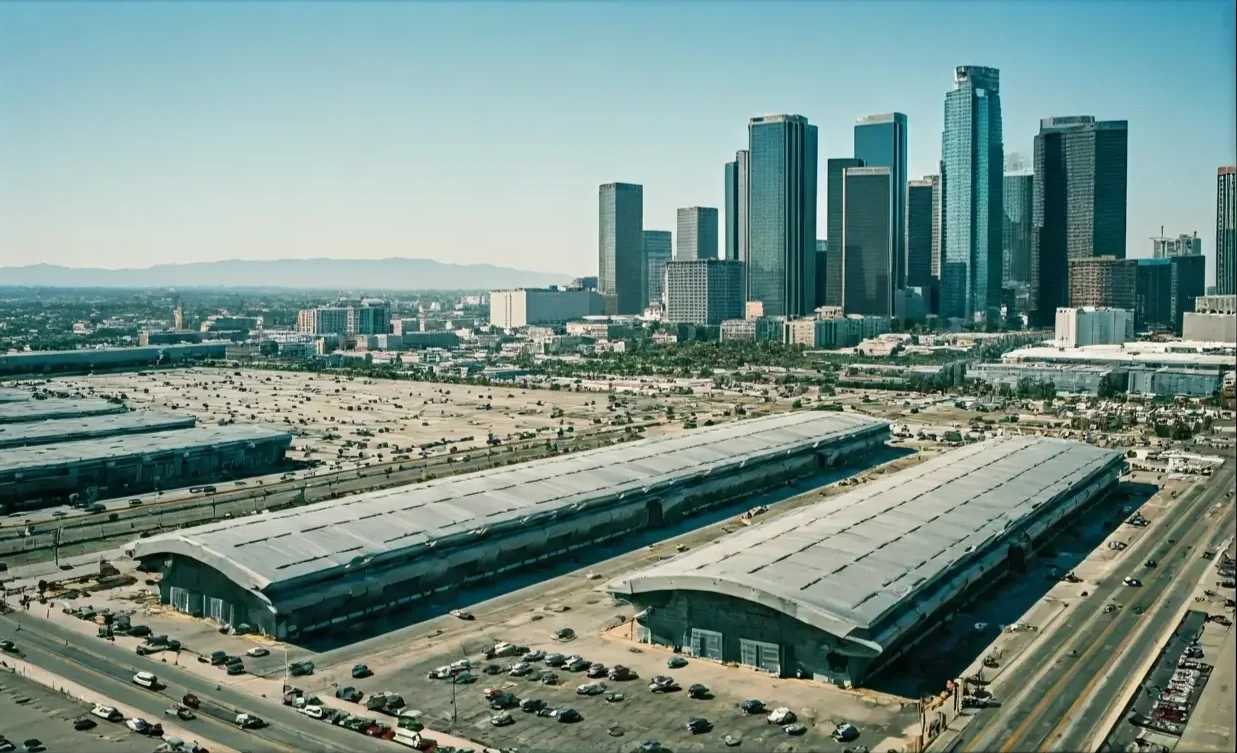
The Rise of E-commerce and Its Impact
The e-commerce boom has drastically altered the distribution landscape in LA. With more consumers shopping online than ever before, distribution centers are expanding and adapting to meet demand. This shift has led to changes in logistics, warehousing, and last-mile delivery solutions.
Los Angeles, as a major urban center, has witnessed a rapid shift as businesses adapt to the increasing preference for online shopping. This transformation is not just limited to huge retail chains but extends to small businesses as well, which now participate in a global marketplace. Advanced distribution networks enable more efficient management of inventory and fulfillment processes. Companies are implementing state-of-the-art warehouse management systems and automating their operations to manage the sheer volume of ecommerce transactions efficiently.
Shipping and handling are experiencing upgrades to match the high velocity of orders coming through e-commerce platforms. In Los Angeles, the focus is on innovative last-mile delivery solutions, such as drones and autonomous vehicles, ensuring goods reach consumers swiftly and safely. This technology not only improves delivery speed but also reduces urban congestion and cuts emissions, echoing the city's emphasis on sustainable urban planning.
Technological Advancements in Distribution
Technology is at the heart of distribution evolution. From AI-driven predictive analytics to automation in warehouses, these innovations are streamlining processes and enhancing efficiency. We'll discuss key technologies and their role in reshaping distribution in LA.
Incorporating advanced technologies like artificial intelligence and machine learning in distribution processes can significantly enhance decision-making capabilities. These technologies allow for data-driven insights that forecast demand with greater accuracy, optimize routes for distribution fleets, and reduce operational costs. With AI, companies can anticipate disruptions and proactively manage inventory, ensuring a seamless experience for businesses and customers alike.
Furthermore, the automation of warehouse processes heralds a new era in efficiency and precision. Robots equipped with machine vision are being deployed for tasks such as sorting and shelving, minimizing human error and speeding up operations. Such robotic automation not only enables faster processing times but also ensures the safety and wellbeing of human workers during physically demanding processes.
Virtual and augmented reality are being explored for training purposes and for optimizing storage space within warehouses. By simulating different scenarios, these technologies assist in creating the most efficient layouts, facilitating ease of access to high-demand items and reducing the time taken to locate products within large storage facilities.
The Importance of Sustainability
Sustainability is no longer a trend but a necessity. The pressure for eco-friendly practices is mounting, and LA is leading the charge. We explore how companies are adopting green logistics strategies to reduce their environmental footprint and meet regulatory demands.
LA's commitment to sustainability is reflected in the increasing adoption of electric vehicles for transportation of goods. This shift not only reduces the carbon footprint of distribution operations but also aligns with the city's broader environmental goals. Innovations in energy-efficient warehouse designs contribute significantly to minimizing energy use and lowering costs associated with heating, cooling, and lighting large facilities.
Packaging solutions are also evolving to meet sustainable standards. Companies are investing in biodegradable materials and embracing reusable packaging strategies that decrease waste. Partnering with suppliers who share similar sustainability goals can result in mutual benefits, ensuring a responsible supply chain from production to delivery. Extensive use of sustainable packaging materials provides consumers the satisfaction of eco-conscious choices with every purchase.
Adapting to New Consumer Expectations
Today’s consumers expect faster deliveries and greater flexibility. Distribution companies in LA are reshaping their strategies to keep up with these demands. From contactless delivery options to personalized customer experiences, adaptability is key.
Consumers in LA have become accustomed to receiving their purchases swiftly, thanks to strategic placement of distribution centers closer to urban hubs. These facilities employ advanced inventory management systems to maintain stock levels that align with consumer preferences and trends in real-time.
The rise of personalized shopping experiences is also influencing the distribution industry, with businesses adjusting their order fulfillment systems to cater to unique customer needs. Flexible delivery windows, precise order tracking, and customized packaging options enhance customer satisfaction levels. As online shopping becomes increasingly prevalent, firms are leveraging data analytics to predict preferences and offer tailored experiences that resonate with individual consumers.
Challenges on the Horizon
Despite the advancements, the future holds challenges such as regulatory changes, infrastructure constraints, and workforce dynamics. Understanding these challenges is crucial for navigating the future distribution landscape in LA successfully.
Regulatory challenges can significantly impact distribution operations. With stricter environmental regulations, companies must navigate complex compliance landscapes while maintaining efficiency. Adopting flexible solutions and maintaining awareness of evolving policies is crucial for industry players to avoid penalties and ensure continued operations.
The infrastructure in Los Angeles also poses challenges, with aging road networks and congested traffic affecting transportation times. Addressing these bottlenecks requires strategic collaborations between public and private sectors. Urban planning initiatives focused on modernizing transport networks are vital for supporting the distribution industry's growth and ensuring the timely flow of goods across the city.
Lastly, the workforce is undergoing a transformation as automation and technology redefine job roles within the industry. Investing in workforce training programs is paramount in equipping employees with the skills needed to adapt to new technologies and processes, ensuring a smooth transition into future-centric operations.
Embracing Change: The Road Ahead
As Los Angeles continues to grow and innovate, the distribution industry stands at a pivotal point of transformation. By embracing technological advancements, prioritizing sustainability, and navigating the challenges ahead, businesses can position themselves at the forefront of the distribution revolution. Staying informed and adaptable will be key to leveraging the opportunities these changes present.