
How Can Proper Container Unloading Reduce Costs for Businesses?
In the fast-paced world of logistics and supply chain management, small inefficiencies can lead to significant expenses. One key process that often goes unnoticed but offers a substantial opportunity for cost savings is container unloading. This blog will explore how businesses can cut costs by optimizing their container unloading procedures and provide actionable steps to enhance efficiency.
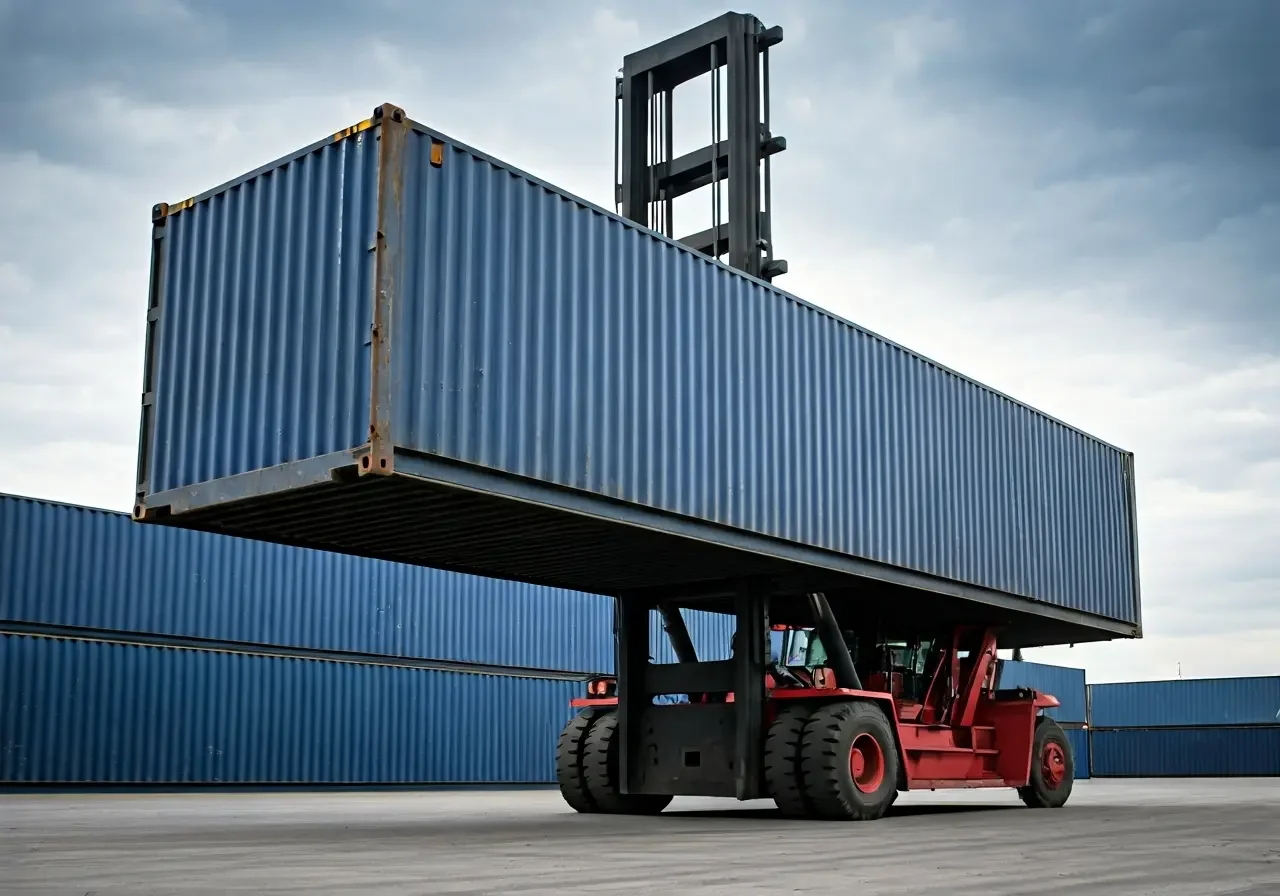
Understand the Importance of Proper Container Unloading
Proper container unloading plays a critical role in reducing costs and improving the overall efficiency of a business's supply chain. By understanding its importance, companies can focus on strategies to improve this task.
When containers are unloaded with precision, there’s a notable reduction in the time it takes to get goods to their next destination. This efficiency helps businesses avoid potential penalties related to delays in shipment delivery. Additionally, proper unloading minimizes the risk of damage to products, which can lead to loss of inventory and customer dissatisfaction.
Streamlined container unloading directly impacts a company’s bottom line. By maintaining a steady flow through their supply chain, businesses ensure that inventory levels remain optimal without the need for costly last-minute shipping solutions.
Implement Consistent Training for Staff
Ensuring staff are well-trained in container unloading procedures helps reduce errors and enhances safety, leading to significant cost savings in terms of time, damage, and liability.
Regular training sessions not only keep employees updated on the latest unloading techniques but also foster a culture of safety and efficiency. When staff are equipped with proper skills and knowledge, they are less likely to make errors that could lead to costly damages. Furthermore, trained personnel are more adept at identifying and addressing potential issues, preventing minor mishaps from escalating into larger problems.
Use the Right Equipment and Tools
Investing in the appropriate equipment and tools for container unloading not only increases productivity but also minimizes the risk of equipment-related incidents and damages to goods.
Having state-of-the-art technology for container handling, such as forklifts and pallet jacks, ensures that goods are moved safely and efficiently. Businesses can see an immediate return on investment by reducing potential downtime caused by equipment failure or malfunctions.
Businesses that prioritize maintenance and regular inspection of their unloading equipment often enjoy smoother operations. By ensuring that all tools are in optimal condition, companies can avoid costly repairs and replacements, leading to significant long-term savings.
Adopt Technology Solutions
Utilizing technology, such as automated systems and software, can streamline container unloading processes, offering real-time data and analytics to help businesses optimize their operations.
Automated systems can significantly decrease the chances of human error during the unloading process. By using sensors and software, businesses can monitor the condition and location of their goods, ensuring timely and precise unloading. This technological edge translates into reduced labor costs and increased productivity.
Technology-driven solutions offer businesses detailed insights into their operations. With access to analytics and performance metrics, companies can make informed decisions that refine their unloading processes, identifying bottlenecks and areas for improvement quickly.
Plan and Organize the Unloading Process
Proper planning and organization are essential to minimizing delays and discrepancies during container unloading. An organized approach helps in maintaining a smooth workflow and addresses potential issues before they become costly problems.
Effective planning involves creating a detailed schedule for unloading operations, which includes advanced coordination with transportation partners and warehouse teams. By clearly defining roles and responsibilities, businesses ensure that the unloading process runs like a well-oiled machine.
Organizing the physical layout of unloading zones can also lead to improved efficiency. By strategically placing equipment and signage, businesses can streamline the flow of goods, reducing unnecessary movement and potential bottlenecks.
Optimize Your Container Unloading for Maximum Savings
By implementing these strategies for proper container unloading, businesses can not only reduce costs but also streamline their operations for better efficiency. Consistent training, strategic planning, and leveraging technology are crucial components in optimizing this essential process. With careful attention to detail, companies can significantly enhance their supply chain operations.