
10 Essential Tips for Streamlining Order Fulfillment in Los Angeles Drayage
Navigating the bustling world of Los Angeles drayage can be a daunting task, especially when it comes to order fulfillment. In an industry where efficiency is key, optimizing your fulfillment process is crucial. Whether you're a seasoned pro or just stepping into the logistics arena, these insider tips will help you streamline your operations, ensure timely deliveries, and keep your clients happy.
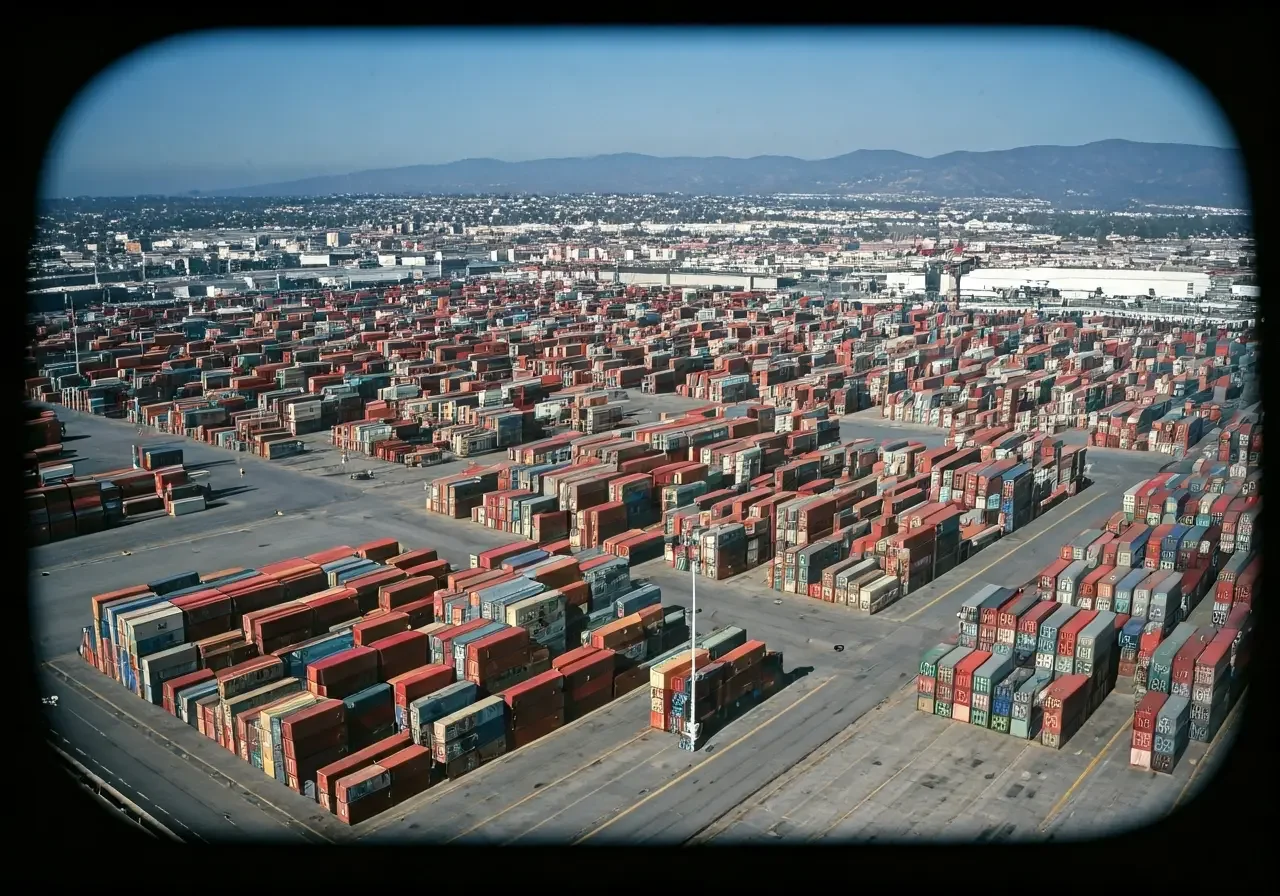
1. Understanding the Local Logistics Landscape
Familiarizing yourself with the specifics of Los Angeles' logistics scene is the first step in streamlining your order fulfillment. From knowing the key routes to understanding port operations, having a comprehensive grasp of the area will aid in efficient navigation.
Los Angeles is home to one of the largest ports in the world, making it a quintessential hub of activity. Understanding the nuances of this bustling port, including peak times and potential bottlenecks, will provide a significant advantage in planning and executing timely deliveries. Additionally, by keeping track of local traffic conditions and construction updates, businesses can optimize their delivery schedules to avoid unnecessary delays.
2. Implementing Advanced Technology Solutions
Leverage technology to optimize your workflow. Use cutting-edge warehouse management systems, automation tools, and real-time tracking applications to keep your operations running smoothly and efficiently.
Incorporating advanced technologies such as AI-driven logistics and robotics can revolutionize your supply chain operations. By automating routine tasks, you can free up valuable human resources to focus on strategic decision-making and problem-solving. Moreover, digital platforms that offer integrated solutions for communication and fleet management help maintain transparency and efficiency across all logistics activities.
3. Optimizing Warehouse Layout and Operations
An organized warehouse is crucial for quick and efficient order fulfillment. Reassess your warehouse layout to minimize transit time, and ensure that your inventory is easily accessible for swift picking, packing, and shipping.
Consider implementing a lean warehousing strategy to reduce waste and improve efficiency. By arranging your warehouse with optimal flow in mind—placing high turnover products nearer to dispatch zones, for instance—you can reduce the time taken to process orders. Additionally, regular audits of inventory and stock-taking procedures will assist in keeping orders on track and minimize errors in distribution.
4. Enhancing Communication with Drayage Partners
Open and effective communication with your drayage partners can significantly affect your fulfillment efficiency. Ensure there's a reliable line of communication to manage shipments, solve issues swiftly, and keep operations on track.
Building strong relationships with your drayage partners can give you an operational edge. Regular meetings and clear channels of communication can prevent misunderstandings and enable quick resolutions when unexpected issues arise. Leveraging advanced communication platforms that facilitate real-time updates ensures that all stakeholders are aligned and informed at every stage of the fulfillment process.
5. Prioritizing Driver and Employee Training
Well-trained staff can mitigate delays and boost productivity. Invest in regular training for your team to keep them updated on best practices and new technologies in the logistics industry.
Continuous education and skills development not only enhance employee performance but also contribute to job satisfaction and retention. Offering training on new systems and safety procedures empowers your workforce to handle complex logistical challenges efficiently. Furthermore, fostering a culture of learning encourages staff to innovate and contribute to continual process improvements.
6. Leveraging Data for Predictive Analysis
Data is a powerful tool for streamlining operations. Use predictive analytics to forecast demand, manage inventory levels more effectively, and make informed decisions that enhance fulfillment efficiency.
Predictive analytics can provide invaluable insights into future trends, helping you prepare for demand fluctuations and optimize inventory levels. By analyzing historical data, companies can predict peak seasons and adjust their strategies accordingly to avoid stockouts and overstocking. This data-driven approach ensures that resources are optimally allocated, enhancing overall supply chain efficiency.
7. Emphasizing on Flexibility and Scalability
Be prepared to adapt to unforeseen changes in demand. Incorporate flexibility and scalability into your fulfillment strategy to ensure you can handle whatever the market throws your way.
Acknowledging the dynamic nature of the logistics industry is essential. Developing adaptable systems that can scale quickly will allow you to meet rising consumer expectations and capitalize on new market opportunities efficiently. Whether through flexible labor policies or adaptable technology solutions, maintaining scalability within your operations ensures resilience against market fluctuations.
8. Reducing Order Processing Timelines
Shortening order processing times is key to faster delivery. Streamline your administrative processes to reduce handling time and enhance customer satisfaction with quicker shipments.
Automation in order processing is a game changer. By reducing manual entry and simplifying workflows, orders can be processed much quicker. Additionally, integrating systems across the supply chain allows for seamless communication and reduces the likelihood of errors, ensuring that order fulfillment is both quick and accurate.
9. Improving Customer Feedback Loops
Implement a robust feedback system to gauge customer satisfaction and identify areas for improvement. Engaging with your clients will not only improve your services but also build strong, lasting relationships.
Customer feedback offers critical insights into how your operations are perceived and where improvements can be made. Through surveys, direct communication, and monitoring social media channels, you can gauge client expectations more precisely and adapt your strategies to meet them. Proactive engagement with customers not only strengthens your relationships but also fosters brand loyalty.
10. Maintaining Compliance with Regulations
Stay ahead of regulatory changes that impact the logistics sector. Ensuring compliance not only avoids costly fines but also affirms your commitment to operating within legal and ethical boundaries.
In the rapidly evolving landscape of logistics regulations, maintaining compliance is crucial. Regular audits and consultations with legal advisors can help stay abreast of any legislative shifts. By adhering to regulatory standards, not only do you protect your company from financial repercussions, but you also enhance your reputation as a reliable and trustworthy partner in the logistics industry.