
The Role of Los Angeles Drayage in Streamlining Supply Chains
In today's fast-paced world, the efficiency of supply chains is crucial for businesses to thrive. Los Angeles, with its bustling ports and vast infrastructure, plays a pivotal role in this ecosystem. But what exactly is drayage, and how does it contribute to the streamlined operations of supply chains in Los Angeles?
Understanding Drayage: The Backbone of Short-Haul Logistics
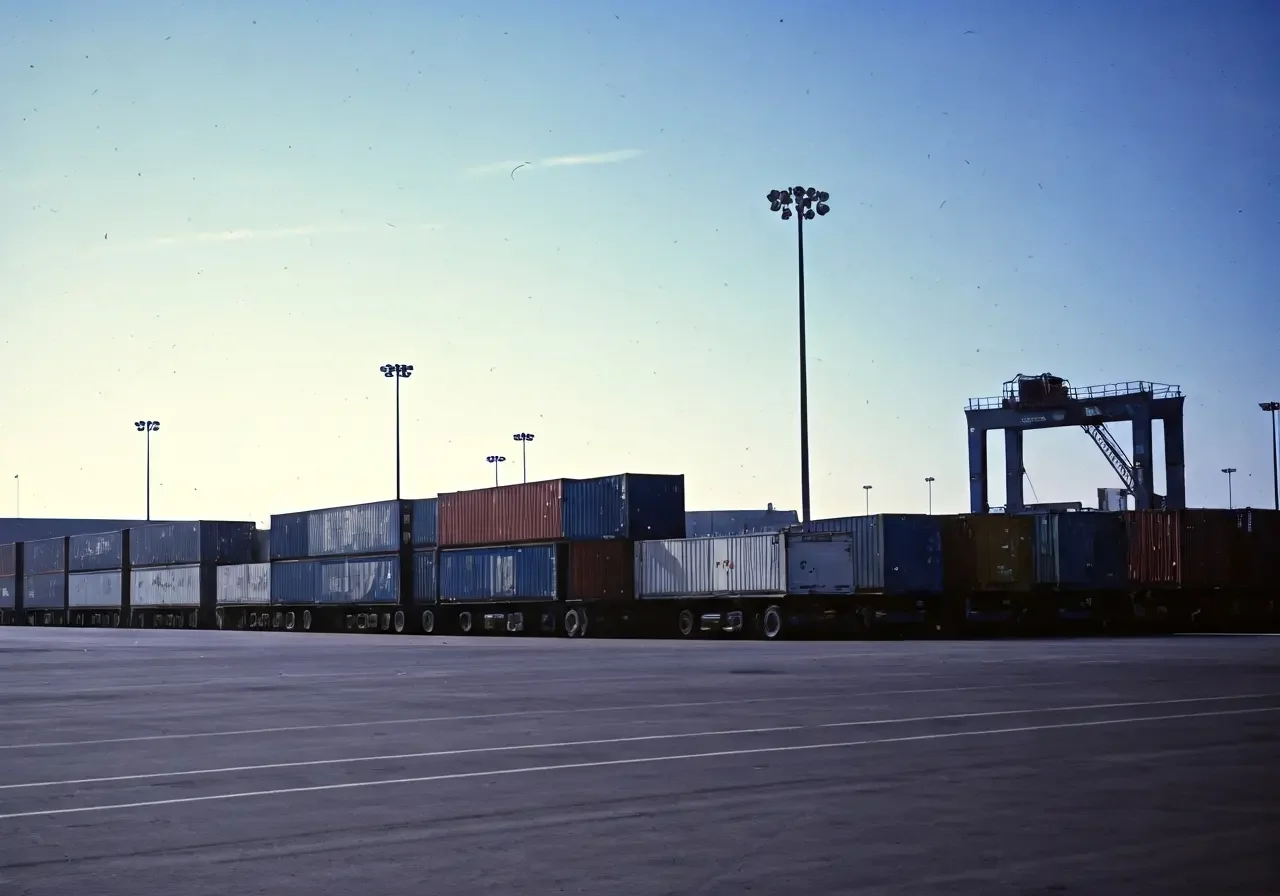
Drayage, though often overlooked, is a crucial element of the logistics chain. It involves the transport of goods over short distances, typically from ports to nearby warehouses. In Los Angeles, drayage acts as the initial link in the supply chain, setting the stage for the efficient movement of goods.
In essence, drayage is the unsung hero of logistics, unnoticed yet vital for keeping the flow of goods smooth and efficient. This short-haul trucking service is vital to clearing imported goods from congested ports, thus preventing backlogs that could slow down overall supply chain operations. Its role in transporting cargo to and from rail yards, warehouses, or distribution centers can't be underestimated. By ensuring these goods reach their next checkpoint seamlessly, drayage supports the timeliness and reliability that modern supply chains demand.
The Impact of Los Angeles Ports on Global Supply Chains
With its prime location, the Port of Los Angeles serves as a primary gateway for goods entering and leaving the United States. The sheer volume of cargo passing through its terminals has a significant impact on global trade, making effective drayage services indispensable for maintaining the smooth flow of goods.
The two major ports of Los Angeles and Long Beach form one of the largest port complexes in the world, handling a substantial portion of goods bound for and coming from Asia. Their strategic location on the western coast of the U.S. allows for quick access to international waters, which is a primary reason why they are so integral to international commerce. Any inefficiencies here can have ripple effects across the globe, affecting delivery times and inventory restocking for businesses. This makes the area not just a key player in domestic trade but an influential force in global supply chain management.
Moreover, Los Angeles' ports have been investing in expanding their capacity and improving technological infrastructures. Their commitment to adopting cutting-edge technologies not only enhances efficiency but also sets benchmarks for ports around the world. By streamlining customs processes and reducing wait times, they contribute significantly to faster turnaround times, which is a vital aspect in today's swift-moving market.
How Drayage Enhances Supply Chain Efficiency
By facilitating the swift movement of goods between key logistical nodes, drayage helps minimize bottlenecks and delays. The adaptability of drayage providers to handle varying cargo volumes and types ensures that supply chains remain responsive to changing demands.
Efficiency in drayage is achieved through streamlined coordination between multiple stakeholders, including port authorities, trucking companies, and warehouse operators. Such collaboration ensures that shipments are picked up and delivered promptly, which in turn reduces dwell time at ports. This swift turnover is crucial in avoiding congestion and keeping supply chains fluid. Flexibility is another cornerstone of efficient drayage operations. By adapting quickly to fluctuating cargo loads and varied transportation needs, drayage services ensure that disruptions are minimized and the flow of goods is maintained.
In addition, drayage providers often utilize advanced technologies like route optimization software and load matching systems to enhance operational efficiency. These technologies allow for more precise scheduling and the ability to preempt delays, ultimately reducing fuel consumption and logistics costs. This leads to a more environmentally friendly approach and aligns with the growing demand for sustainable business practices.
Innovations in Drayage: Technology and Sustainable Practices
Recent technological advancements are transforming the drayage industry. Real-time tracking, autonomous vehicles, and sustainable practices such as eco-friendly trucks are being integrated, reducing emissions and improving operational efficiency.
The introduction of real-time tracking systems has been a game-changer for the drayage industry. With these systems, stakeholders can monitor the progress of shipments in real-time, providing greater transparency and enabling faster decision-making when disruptions occur. Further enhancing the sector's evolution is the integration of autonomous vehicles, which, though still in development stages, promise to revolutionize route efficiency, speed, and safety of drayage operations.
Sustainable practices are equally gaining traction, driven by growing environmental concerns and regulatory requirements. Many drayage operators are transitioning to vehicles powered by alternative fuels or electricity, aligning with California's stringent emissions regulations. This not only reduces the carbon footprint but also positions companies as forward-thinking players in an increasingly eco-conscious market. These innovations not only enhance the efficiency of drayage but also underscore their commitment to more sustainable supply chain practices.
Addressing Challenges in the Drayage Industry
Despite its importance, the drayage sector faces several challenges, including labor shortages, regulatory changes, and environmental concerns. Addressing these issues is key to maintaining the industry's role in optimizing supply chains.
Labor shortages have become a significant challenge for the drayage sector, affecting the availability of qualified drivers to move cargo efficiently. With an aging workforce and increasing demand for drayage services, this shortage has the potential to disrupt operations significantly. In response, companies are investing in recruitment and training programs to attract younger talent and equip them with the skills necessary for a career in logistics.
Regulatory changes also pose challenges, as they require the drayage industry to constantly adapt to new compliance standards. This includes stricter emissions regulations, safety standards, and evolving labor laws. While these changes are often necessary to address environmental and worker safety concerns, they can impose additional costs and require significant operational adjustments.
Environmental concerns have led to increased pressure on the drayage industry to adopt greener practices. Beyond regulatory compliance, customers and stakeholders are increasingly demanding sustainability in logistics operations. Though challenging, adopting technologies and practices that reduce emissions and conserve resources is now a strategic priority for drayage companies aiming to remain competitive and socially responsible.
The Future of Supply Chains with Drayage in Los Angeles
As global trade continues to evolve, the role of Los Angeles drayage becomes ever more critical. By enhancing logistical efficiency, reducing costs, and embracing sustainable practices, drayage is helping to propel supply chains into the future. Understanding its importance and leveraging its benefits can lead to significant competitive advantages for businesses involved in the intricate web of global commerce.