
12 Essentials for Partnering with Drayage Companies in Los Angeles CA
Navigating the logistics of drayage companies in the bustling hub of Los Angeles, CA, can be as challenging as it is rewarding. Whether you're a seasoned professional or just starting out, making the right partnerships is crucial for smooth operations. Here, we've compiled a list of twelve essential factors to consider to ensure a successful partnership with drayage companies in this vibrant city.
1. Understanding the Local Landscape
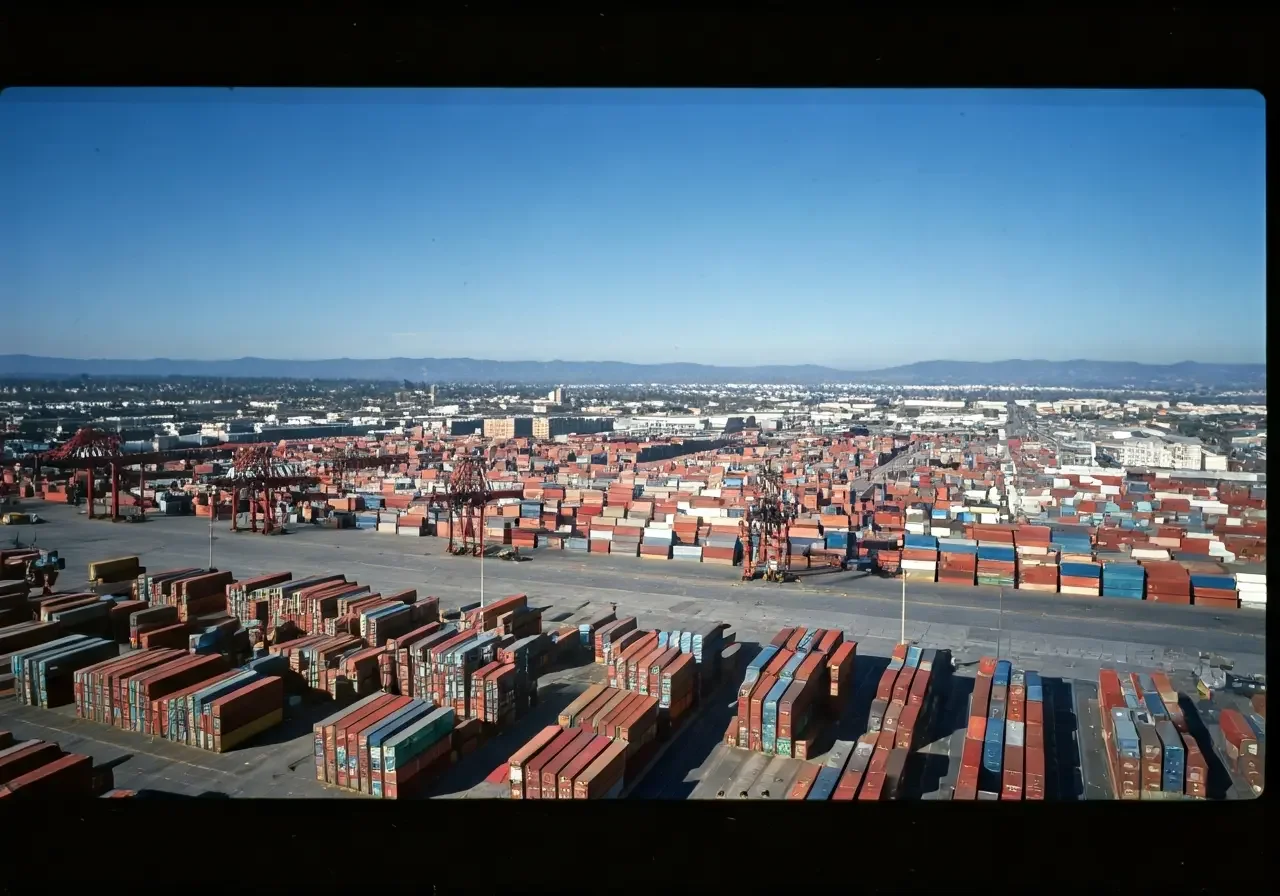
Los Angeles is a melting pot of diverse industries and is a critical gateway for international trade. The Port of Los Angeles, the largest port in North America, plays a pivotal role in this ecosystem. Understanding how the port operates, as well as the local traffic patterns and peak times, can help optimize your logistics operations. Furthermore, being aware of local regulations and industry standards early on can prevent costly delays and penalties. Familiarity with these elements can turn potential hindrances into strategic advantages.
2. Identifying the Right Partner
Selecting a partner whose priorities align with yours is fundamental. Consider companies that understand your specific needs and business objectives, and who are prepared to grow alongside your business. It's essential to evaluate potential partners based on their experience, reputation, and client testimonials. For instance, a company that has a strong track record in the region might have valuable insights and relationships within the industry, which could be a massive advantage for your operations.
3. Prioritizing Communication
Clear communication ensures that all parties understand expectations and responsibilities. Utilize modern communication tools and establish regular check-ins to address any concerns promptly. This approach not only helps avoid misunderstandings but also reinforces a sense of partnership and collaboration. Communication is the backbone of any successful venture, especially in a fast-paced industry like drayage, where delays can quickly become costly.
4. Ensuring Compliance with Regulations
Being compliant with federal and local regulations is non-negotiable for business in Los Angeles. The city and its surrounding areas have stringent environmental laws aimed at reducing emissions, which directly impact the drayage industry. Keeping abreast of these laws ensures that your operations remain in good legal standing. Partnering with companies that are proactive in tracking regulatory changes can save both time and resources.
5. Negotiating Fair Pricing
Pricing should reflect the value and reliability each party brings to the table. Transparent pricing agreements pave the way for trust and a long-term partnership, especially in high-cost urban areas. It’s essential to document all terms clearly and remain flexible to accommodate shifts in market demand and fuel costs, which often influence the logistics sector.
6. Verifying Reliability and Timeliness
Timely deliveries are the bedrock of any successful drayage operation. Analyze potential partners by their past performance metrics and client reviews to ensure that they consistently meet delivery schedules. Unforeseen delays are common, but having a partner who is quick to provide solutions or alternatives can mitigate negative impacts on your supply chain. By validating a company's dedication to punctuality, you safeguard your operations against avoidable disruptions.
7. Evaluating Technological Compatibility
In today’s digital age, state-of-the-art technologies have revolutionized how logistics operations are managed. Partnering with a company whose technology solutions align with yours is invaluable for streamlining workflows. Integration capabilities between systems can lead to improved efficiency, better data analysis, and innovative tracking features, all of which contribute significantly to operational success.
8. Fostering Mutual Trust
Building a trustworthy relationship is pivotal for long-term success. This credibility is earned over time through actions and accountability. Regularly reviewing partnership goals, setting realistic expectations, and addressing grievances openly fosters an atmosphere of mutual respect. Trust encourages both parties to invest fully in the relationship, leading to collaborative problem-solving and innovation.
9. Assessing Fleet Capacity and Condition
The fleet's ability to meet demand is crucial. Regularly inspect and inquire about the maintenance practices of your partner's fleet. A modern, well-maintained fleet is less prone to breakdowns, which could disrupt your supply chain. Similarly, understanding the fleet's capacity helps plan for scaling operations without unnecessary hiccups. Ensuring your partner is invested in their fleet's quality demonstrates their commitment to service excellence.
10. Considering Environmental Practices
The transportation sector is under increasing pressure to adopt greener practices. Partnering with companies that embrace sustainability not only benefits the planet but also enhances brand reputation. From using fuel-efficient vehicles to supporting eco-friendly initiatives, selecting partners committed to reducing their carbon footprint aligns with the growing consumer demand for sustainability.
11. Sustaining Long-term Relationships
The longevity of a business partnership comes from concerted efforts to nurture it. Regular evaluations and open dialogue about performance and expectations keep the relationship robust. Long-term partnerships not only provide stability but also foster an environment of continuous improvement and shared success. When partners invest in the relationship, both parties can innovate collaboratively, pushing past barriers that impede growth.
12. Learning from Industry Feedback
Feedback is a powerful tool for growth and adaptation. Regularly soliciting and acting upon feedback from your partners and industry peers ensures that all parties are continuously moving forward. This proactive stance not only improves immediate processes but also guides strategic adjustments, enabling a business to better navigate the evolving landscape. Open channels for feedback create a loop of constant innovation and service enhancement.