
9 Common Challenges and Solutions Provided by Distribution Companies in Los Angeles
Distribution companies in Los Angeles face a host of challenges in their everyday operations. However, these companies have become adept at identifying and addressing these issues effectively. This article explores some common challenges faced by distribution companies in Los Angeles and the solutions they implement to overcome them.
1. Managing Inventory Efficiently
Effective inventory management is crucial for distribution companies to meet demand without overstocking. Firms have adopted advanced inventory management systems to track stock levels in real time and forecast demand accurately, ensuring optimal supply. This technology enables businesses to minimize waste and reduce costs associated with excess inventory storage. Additionally, adopting a just-in-time inventory approach allows companies to keep pace with market fluctuations and ensure products are always available to meet customer needs.
Moreover, integrating artificial intelligence and machine learning into inventory systems has revolutionized how companies predict and respond to market demands. By analyzing trends and patterns, AI solutions provide actionable insights that help businesses make informed decisions on purchasing and stocking strategies. This agile approach not only improves efficiency but also contributes to enhanced customer satisfaction, as products are readily available when needed.
2. Addressing Last-Mile Delivery Issues
Last-mile delivery in a bustling city like Los Angeles can be daunting. Many companies partner with local delivery services and leverage technology for route optimization to ensure timely and efficient deliveries. These strategic partnerships allow distribution companies to navigate the dense traffic patterns that characterize Los Angeles and ensure that goods reach customers swiftly.
Additionally, companies have begun to explore green delivery options, such as electric vehicles and bikes, to not only improve delivery time but also reduce carbon emissions. Offering flexible delivery windows and real-time tracking systems further enhances the customer experience by providing transparency and reducing the anxiety associated with waiting for packages.
3. Navigating Complex Logistics
The complexity of logistics in Los Angeles requires meticulous planning. Distribution companies collaborate with logistics experts and utilize sophisticated software solutions to streamline processes and enhance efficiency. These solutions coordinate various moving parts, including inventory levels, transportation, and delivery schedules, resulting in more organized and seamless operations.
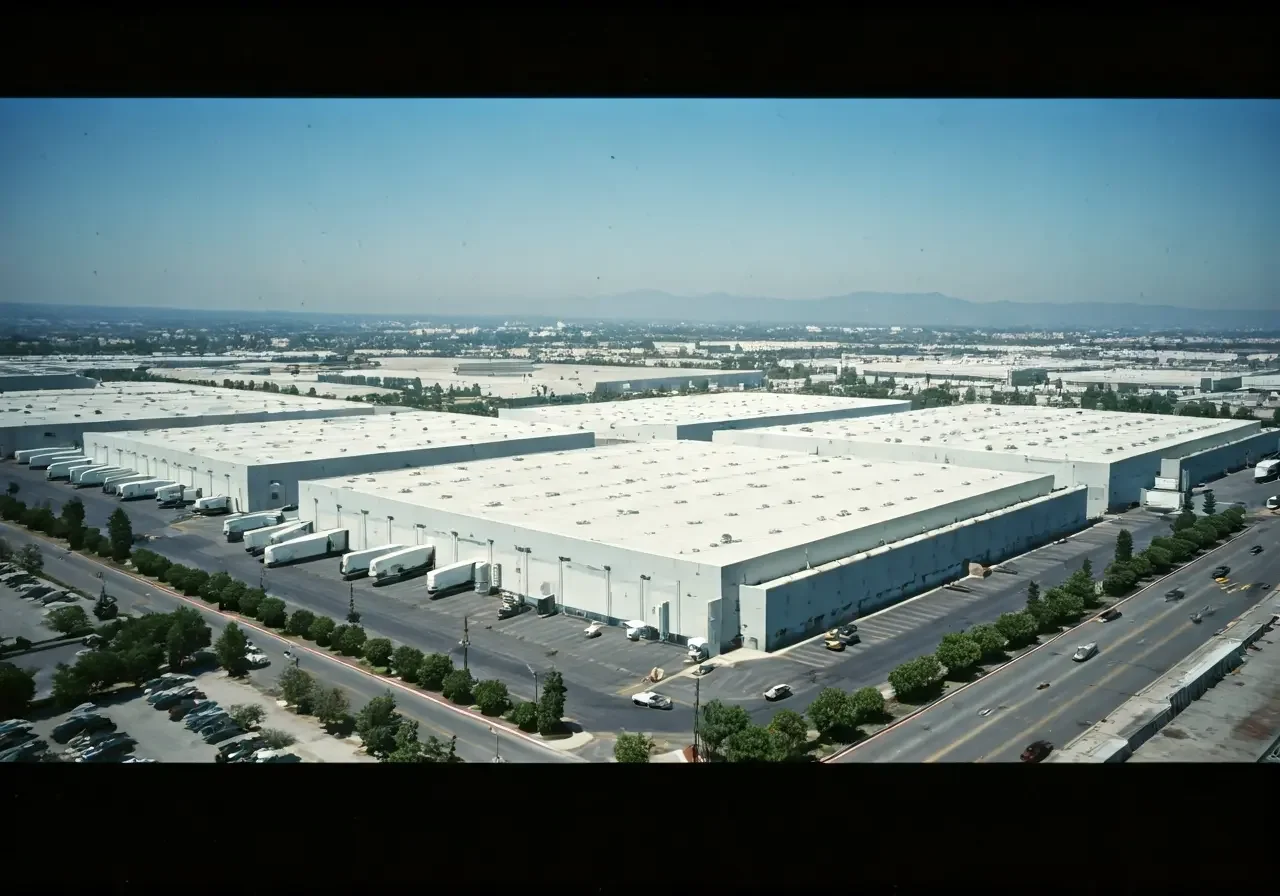
Furthermore, the strategic placement of warehouses across Los Angeles is important for efficient logistics management. By positioning distribution centers closer to high-demand areas, companies reduce transportation time and costs, thus improving overall service delivery. This approach not only enhances logistics but also optimizes resource utilization, leading to better business outcomes.
4. Ensuring Consistent Quality Control
Maintaining product quality is essential for customer satisfaction. Companies employ stringent quality control measures, investing in training programs and regular audits to ensure high standards are consistently met. This attention to detail builds trust with consumers and places companies in a favorable position within the competitive marketplace.
In addition to these traditional measures, there is an increasing dependency on technology-driven quality assurance processes. Automated systems that provide detailed analytics and real-time updates about product conditions are becoming prevalent, helping to promptly identify and address quality issues before they escalate.
5. Adapting to Technological Innovations
With technology evolving rapidly, staying up-to-date is imperative. Distribution companies invest in cutting-edge technologies and continuously train employees to remain competitive in an ever-changing landscape. Implementing dynamic AI and robotics for automation streamlines operations and mitigates human error, leading to increased efficiency and accuracy.
Staying at the forefront of innovation also involves adopting Internet of Things (IoT) devices that offer real-time insights into inventory and environmental conditions. These advancements enable companies to respond proactively to issues and maintain a high level of service quality, which is crucial in maintaining competitive advantage.
6. Coping with Regulatory Compliance
Compliance with local, state, and federal regulations can be challenging. Companies maintain dedicated compliance teams to keep abreast of the latest regulations and ensure all aspects of the business adhere to legal requirements. This proactive approach mitigates the risks of fines and legal issues, safeguarding the company’s reputation and viability.
Integrated compliance management systems are also being increasingly utilized to automate various regulatory processes. These systems help businesses efficiently manage documents, track regulatory changes, and facilitate regular audits, thereby creating an adaptable compliance environment.
7. Building Strong Supplier Relationships
Strong relationships with suppliers are pivotal for success. Companies focus on establishing long-term partnerships and fostering open communication to ensure a reliable supply chain. Through regular engagement and collaborative initiatives, businesses can mitigate potential supply chain disruptions and secure a consistent supply of high-quality goods.
Moreover, harnessing technology to facilitate better data sharing enhances transparency and trust within the supply chain. By adopting blockchain technology for real-time data exchange, companies promote accountability and traceability, strengthening supplier partnerships and reducing risks.
8. Balancing Cost and Quality
Balancing cost and quality is a perennial challenge. Companies perform thorough market analyses to strike a balance, allowing them to offer competitive pricing without compromising quality. By leveraging data analytics, businesses gain insights into consumer preferences and cost trends, which facilitates informed decision-making in product pricing and quality maintenance.
9. Enhancing Customer Experience
Customer satisfaction is at the forefront of distribution companies’ goals. They leverage feedback systems and customer service improvements to ensure a positive experience, fostering loyalty and repeat business. By implementing personalized communication strategies and utilizing customer relationship management (CRM) tools, companies create positive and memorable interactions with clients.
Furthermore, investing in customer-centric technologies, such as chatbots and personalized portals, provides customers with easy access to information and support. These initiatives not only enhance customer experience but also contribute to a company’s reputation as a customer-oriented business.