
10 Innovative Container Unloading Techniques Every LA Business Should Know
Navigating the bustling world of container shipping can be a challenging task, especially for businesses in Los Angeles striving to keep up with increasing demands. In an effort to streamline operations and enhance efficiency, adopting new and innovative unloading techniques is key. Let's explore some of the most effective methods that every business should consider.
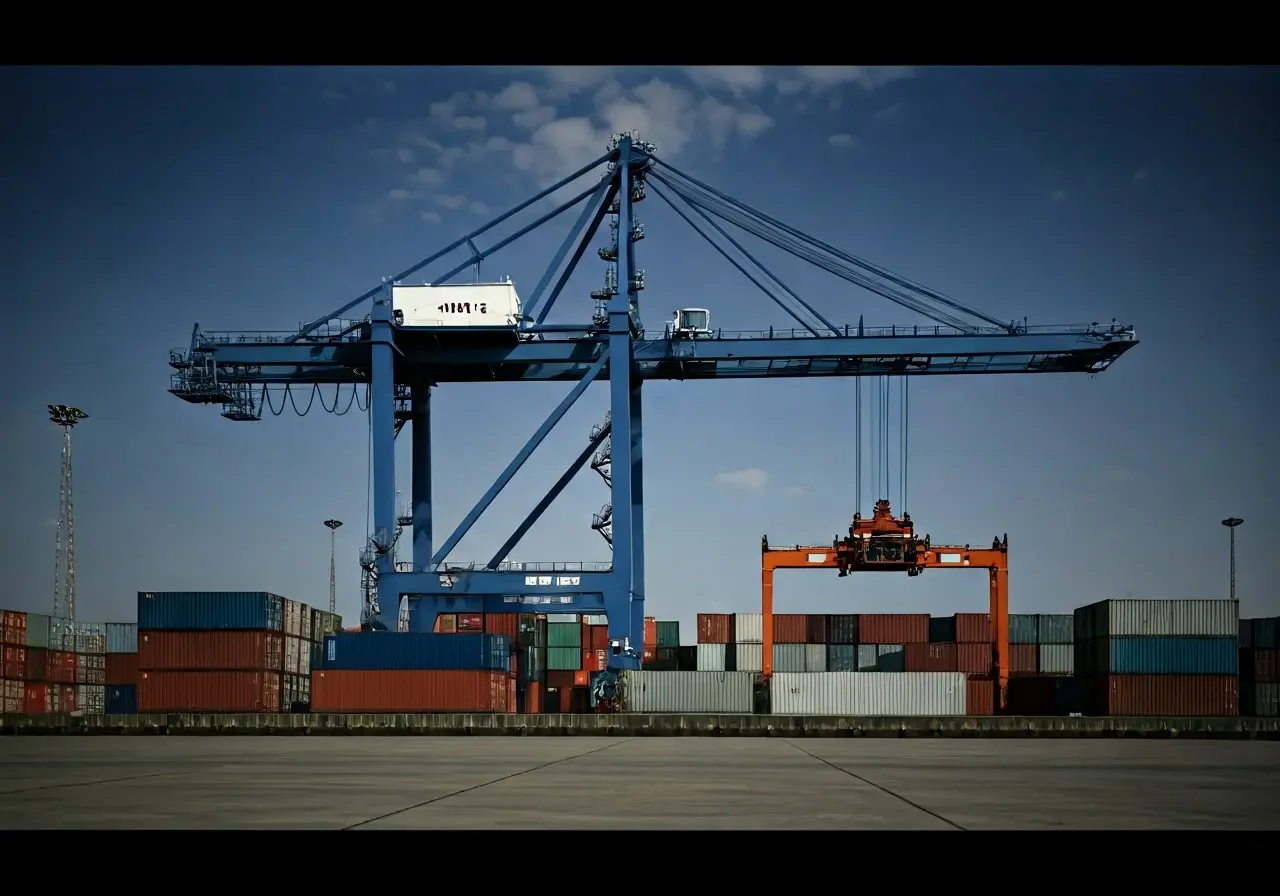
1. Embracing Automation
Automation is transforming the logistics industry by minimizing human error and maximizing efficiency. Explore how automated systems can simplify your unloading process. By integrating automated solutions such as conveyor systems and automated guided vehicles, businesses can greatly reduce the manual effort required during unloading operations. These technologies not only speed up the process but also ensure the safe handling of goods, reducing damage and mitigating human error. Automation solutions are becoming increasingly accessible, offering scalable options for businesses of various sizes.
One exciting aspect of automation is the use of robotic sorters. These machines quickly categorize items based on size and weight, directing them to the appropriate area within the facility. This capability not only enhances efficiency but also optimizes the workspace as equipment can be tailored to handle specific types of cargo. Companies can further benefit by combining automation with machine learning capabilities, which allow for continuous improvement and adaptation based on operational data.
2. Leveraging Smart Sensors
Utilizing smart sensors for monitoring container conditions in real-time can lead to more informed decision-making and enhanced cargo protection. These sensors can track variables such as temperature, humidity, and shock, providing critical data that can help in maintaining the integrity of sensitive goods during transit and unloading. The insights provided can alert teams to any anomalies, allowing for quick action to prevent potential spoilage or damage. This real-time information proves invaluable by ensuring that corrective measures are taken before issues escalate.
Moreover, smart sensors facilitate better resource allocation. By understanding the precise conditions inside and around the containers, logistics teams can make informed decisions about storage and handling. This information helps in choosing the right equipment and methods, ensuring an optimal unloading process while maintaining product quality.
3. Optimizing Human-Machine Collaboration
Find the perfect balance between human skills and robotic precision to ensure seamless interactions during the unloading process. Human workers can focus on tasks that require cognitive skills and decision-making, while machines handle repetitive and physically demanding tasks. This symbiotic relationship enhances productivity and significantly reduces workplace injuries, leading to a safer and more efficient work environment.
The key to optimizing human-machine collaboration lies in effective training and integration. Workers need to understand how to utilize these robotic tools efficiently to get maximum benefits. Companies should invest in training programs that focus on new technologies and methodologies to ensure their teams are well-prepared for this hybrid approach to unloading operations.
4. Incorporating Real-Time Tracking
Real-time tracking technologies offer valuable insights into container locations and statuses, allowing for proactive management. Using GPS-enabled devices, businesses can track the progress of shipments as they move from one location to another, providing clients with accurate delivery timelines. This transparency improves customer satisfaction by managing expectations and reducing uncertainty.
In addition to tracking the physical location of shipments, real-time tracking tools can monitor other important metrics such as container utilization and occupancy rates. With access to this data, logistics teams can fine-tune their operations to optimize space and ensure a smoother, more orderly unloading process.
5. Enhancing Safety Protocols
Discover how prioritizing safety during unloading can prevent accidents and create a secure work environment. Incorporating safety measures, such as wearable safety devices and augmented reality systems, encourage safe practices and provide immediate feedback. These technologies can alert workers to potential dangers, helping to prevent injuries and maintaining a culture of safety.
Regular drills and training sessions further reinforce safety protocols. By continually updating these procedures based on the latest safety data and technology advancements, businesses can foster an environment where safety is prioritized without compromising efficiency.
6. Adopting Eco-Friendly Practices
Learn about sustainable unloading practices that reduce environmental impact while maintaining efficiency. Initiatives such as utilizing electric machinery and implementing energy-efficient practices can drastically lower carbon footprints. Additionally, adopting sustainable materials for packaging and handling supports eco-friendly operations.
The use of renewable energy sources, such as solar power, in the loading and unloading equipment, also offers a substantial reduction in energy consumption. Companies are encouraged to explore these green alternatives to not only minimize environmental impact but also to appeal to environmentally conscious consumers.
7. Utilizing Data Analytics
Harness the power of data analytics to improve unloading strategies and enhance decision-making capabilities. By analyzing past unloading operations, businesses can identify trends and patterns that inform future strategies. This process allows for precise forecasting, resource allocation, and identifying areas in need of improvement.
Data analytics can be combined with predictive modeling to anticipate potential bottlenecks or delays in the unloading process. Equipped with this information, companies can proactively address issues, ensuring that operations remain smooth and efficient. The use of analytics transforms raw data into actionable insights, optimizing every aspect of the unloading process.
8. Exploring Robotic Arms
Robotic arms can revolutionize unloading by providing precision and agility in handling various cargo types. These sophisticated machines are capable of lifting and moving heavy items with a level of precision that is difficult to achieve manually. By integrating robotic arms into unloading operations, businesses can increase their throughput and reduce the risk of physical strain on workers.
The adaptability of robotic arms makes them ideal for handling diverse and complex unloading tasks, from awkwardly shaped items to delicate goods. Their ability to work tirelessly without breaks ensures consistent productivity and efficiency across the board.
9. Increasing Flexibility with Modular Systems
Modular systems offer the adaptability needed to handle different container types, improving unloading operations. These systems can be easily reconfigured to match the specific requirements of each shipment, providing unparalleled flexibility for businesses.
With modular systems, logistics teams can streamline operations by custom tailoring their processes to specific needs, whether it's accommodating varying container sizes or integrating specialized unloading equipment. This versatility enhances efficiency and productivity, ultimately reducing turnaround times and costs.
10. Streamlining Operations with AI
AI-driven solutions can optimize unloading processes by anticipating needs and managing resources efficiently. With AI, businesses can sort and prioritize container loads, ensuring that the most urgent items are unloaded first. This ability to automate the decision-making process significantly enhances operational effectiveness.
The integration of AI technologies allows logistics operations to adjust in real-time based on current demands and conditions. By employing machine learning, these systems learn from past data to continuously improve the efficiency and precision of the unloading process.